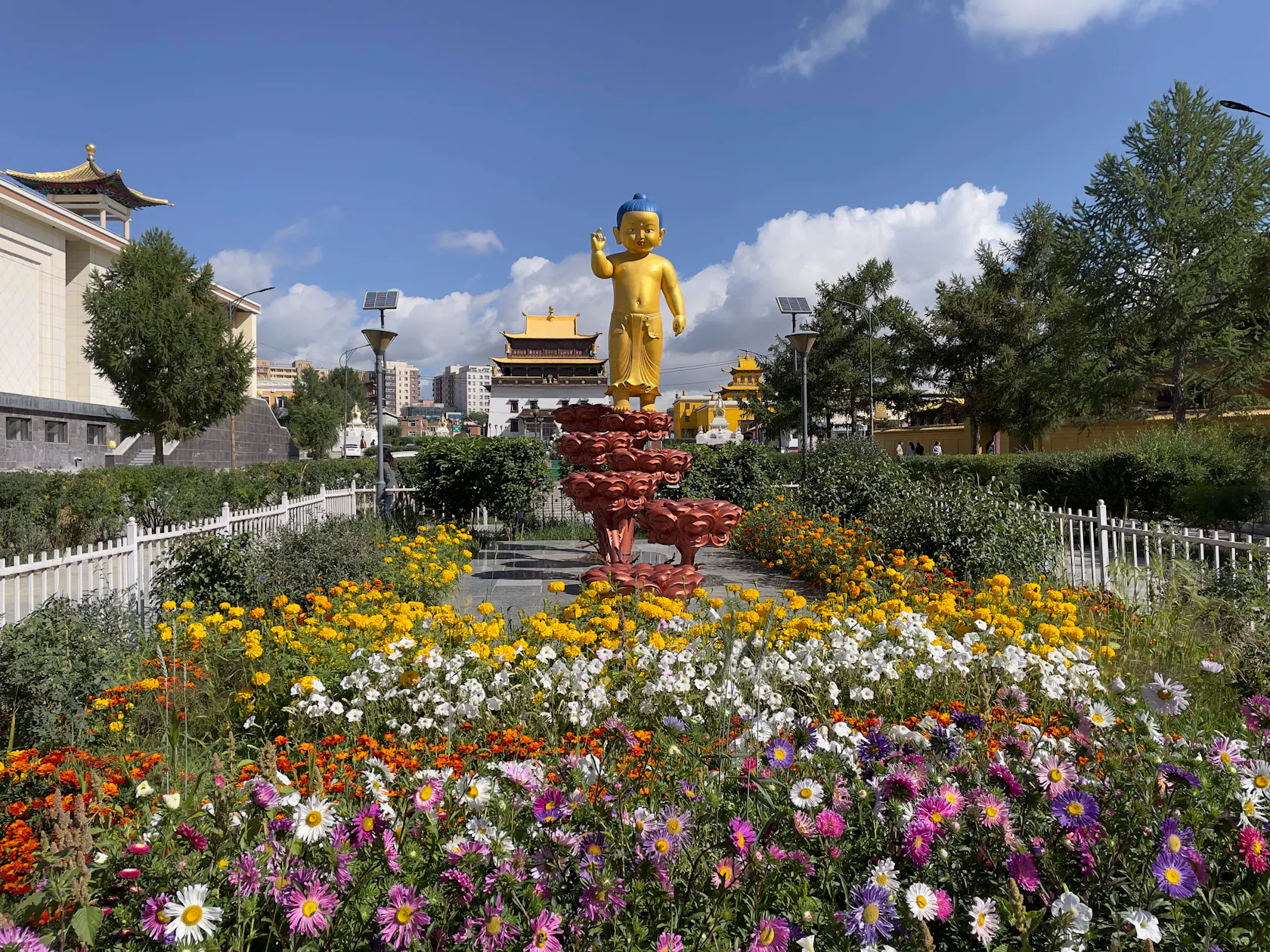
Gandantegchinlen Monastery
This active monastery is known for the 26.5-meter tall Megjid Janraisig statue, a centerpiece of Tibetan Buddhist practice in the city.
Visit between 09:00 and 10:30 for chanting rituals.

Half the country lives in Ulaanbaatar, so the verdict on the trip tends to form in its first morning — usually in a monastery courtyard in Bayangol District. This Is Mongolia Worth Visiting guide sets out the daily hours, the free-entry position and the arrival window that puts a visitor inside the chanting. It also explains why Ulaanbaatar landmarks alone cannot answer for a central Mongolia tour.
Quick answer
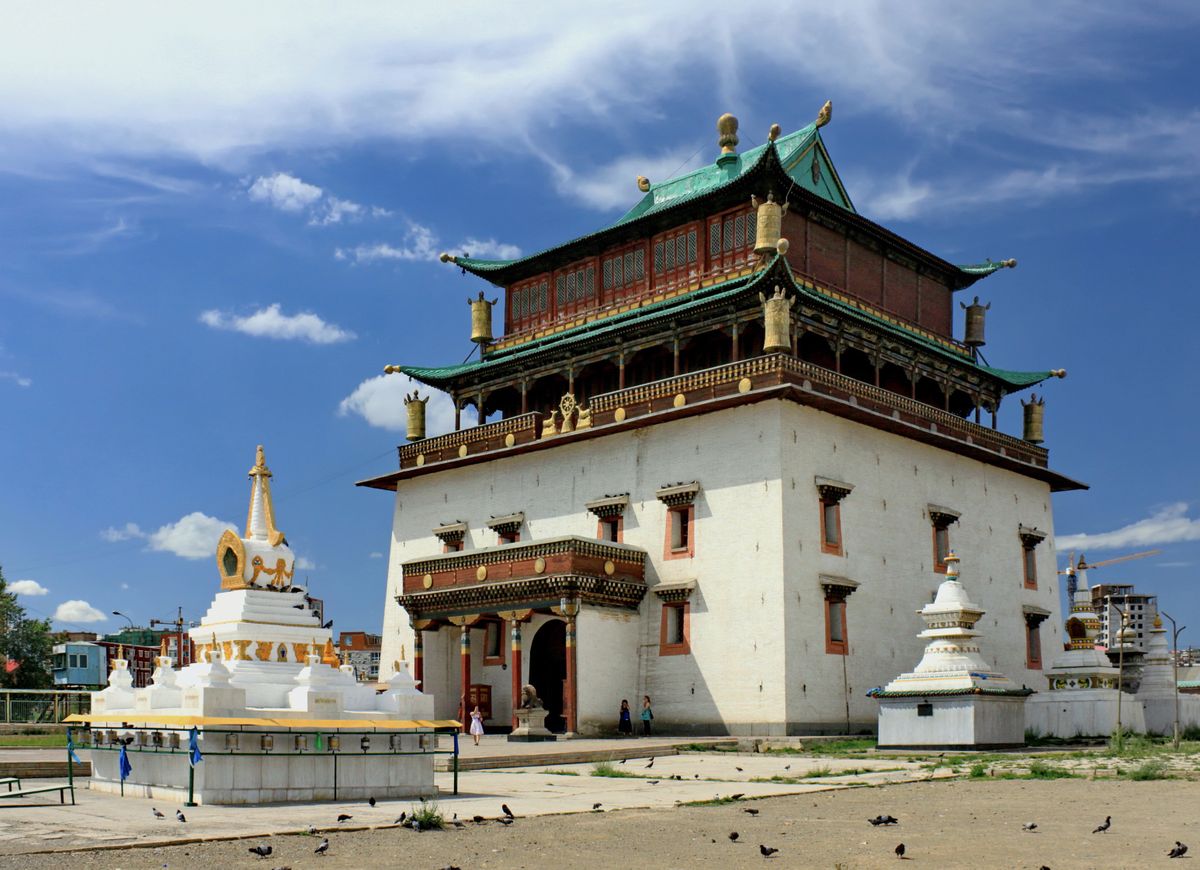
Yes, for travellers willing to move beyond the capital. The monastery at BGD - 16 khoroo, Ulaanbaatar opens 09:00–17:00 every day of the week and charges 0 MNT to enter, with 09:00–10:30 the window for the monks' chanting. Small voluntary donations or a separate photography fee may apply. The country's strongest experiences, though, sit hours west of the city.
Roughly half of Mongolia's population lives in one valley. About 1.6 million of the country's 3.5 million people are concentrated in Ulaanbaatar, beneath the forested ridge of Bogd Khan Uul, and that fact shapes almost every itinerary. It also explains why the question is Mongolia worth visiting is usually settled, or unsettled, within the capital's first morning. Ulaanbaatar holds the institutions, the temples and the rail and air links; everything else begins where its suburbs stop. The clearest test of that first morning sits at BGD - 16 khoroo, in Bayangol District, where the Gandantegchinlen complex operates as a working monastery rather than a preserved monument. Monks assemble for chanting, incense moves through the assembly halls, and laypeople circle the courtyard turning prayer wheels before work. The Migjid Janraisig statue, recreated and consecrated in 1996 after the original was lost during the purges of the late 1930s, stands gilded inside its own temple. A Ulaanbaatar monastery tour of this kind rewards observation over photography, and the atmosphere is closer to a parish church than a museum. Context decides the wider verdict. Mongolia's population density is among the lowest on earth, and the distances that follow are not incidental. Kharkhorin and the Erdene Zuu walls sit several hours west of the capital by road; the Orkhon Valley, a UNESCO cultural landscape, unfolds beyond them; Gorkhi-Terelj rises closer to the east. Travellers who treat the country as a weekend city break tend to leave unconvinced, because Ulaanbaatar landmarks alone cannot carry the argument. Those who pair the capital with a route into the grasslands — ger camps, herding families, horse pasture, the long light of a summer evening — usually report the opposite. Монголд аялах, the local phrase for travelling in Mongolia, implies movement rather than a fixed address. The practical reading, then, is simple. Use the capital to calibrate expectations and to see a religious tradition still in daily use, then commit to the road west. A central Mongolia tour built around Kharkhorin, Erdene Zuu and the Orkhon gives the monastery morning its context, because the lineage on display in the city was carried in from the steppe. Readers still holding the question — is Mongolia worth visiting — will find it settled less by any single courtyard than by how many hours they are prepared to spend beyond the last paved road.
“The question is settled less by any single courtyard than by how many hours a traveller is prepared to spend beyond the last paved road.”
The period from June through August offers the most temperate weather, while the shoulder months of May and September provide a balance of fewer travelers and moderate conditions. For daily planning, early mornings are optimal for observing local rituals.
Mild temperatures 15°C to 25°C
This window offers the warmest conditions for exploring the countryside and attending the Naadam festival in July.
Cooler with temperatures 5°C to 15°C
These months are suitable for travelers seeking to avoid peak summer crowds while maintaining manageable temperatures.
—
An early arrival during this window allows visitors to witness monks' daily chanting rituals in a peaceful atmosphere.
Verdict: The best time to visit is June through August for favorable weather, specifically planning your daily arrival between 09:00 and 10:30 to experience morning rituals.
Ulaanbaatar serves as the cultural center of Mongolia, housing significant sites that reflect the country's spiritual and historical depth. These landmarks offer a glimpse into the traditions and national identity that make the capital a worthwhile stop.
This active monastery is known for the 26.5-meter tall Megjid Janraisig statue, a centerpiece of Tibetan Buddhist practice in the city.
Visit between 09:00 and 10:30 for chanting rituals.
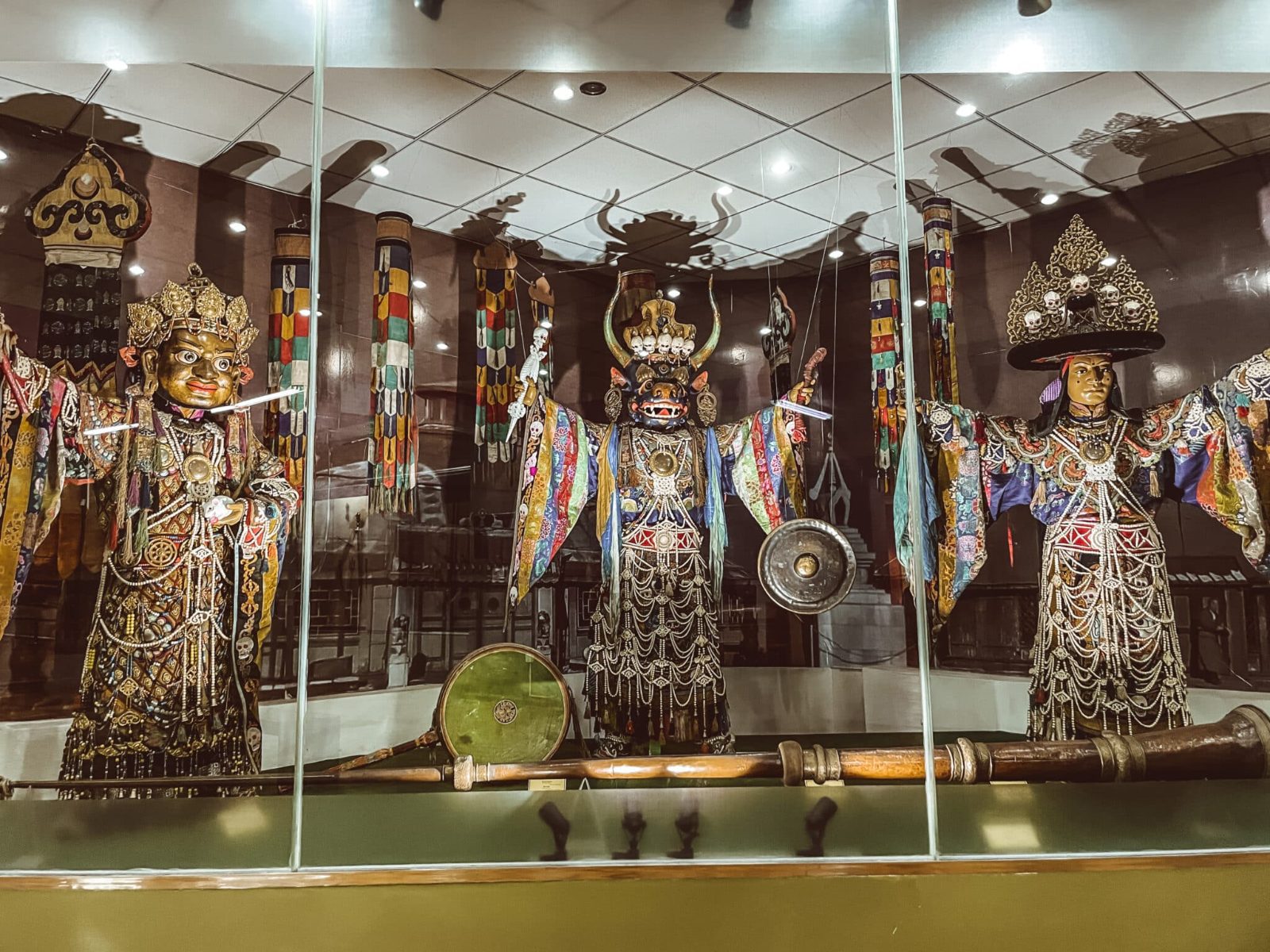
The museum hosts an extensive collection spanning from the Stone Age to the modern era, featuring traditional attire and nomadic artifacts.
Focus on the traditional deel displays on the second floor.
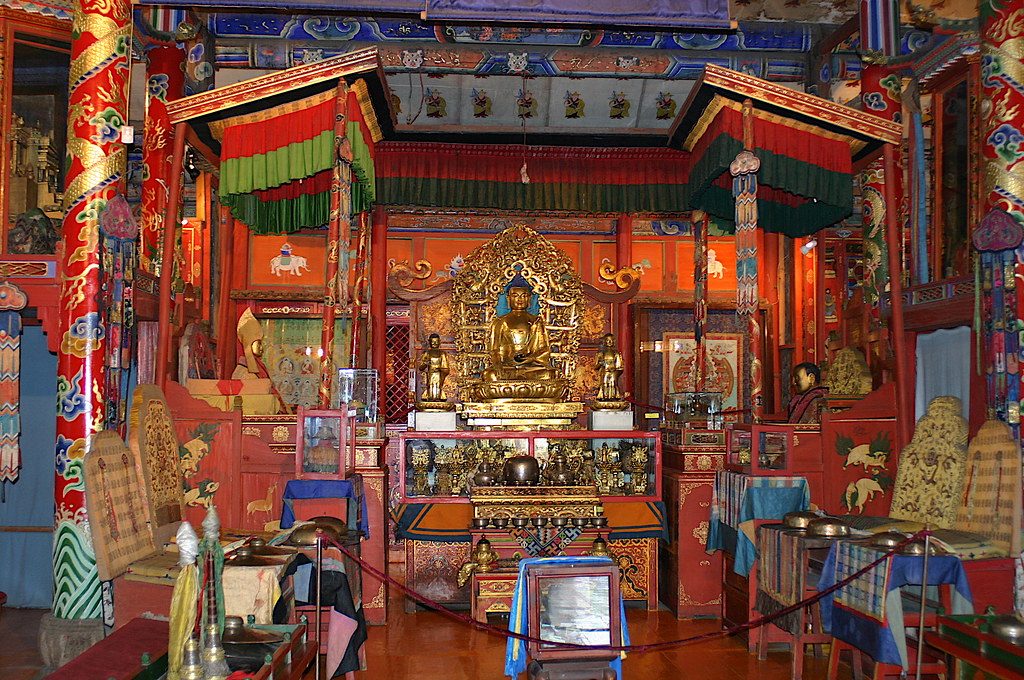
A complex of temples preserved as a museum, showcasing elaborate Buddhist masks and religious art within traditional architecture.
Look for the intricate carvings on the exterior woodwork.
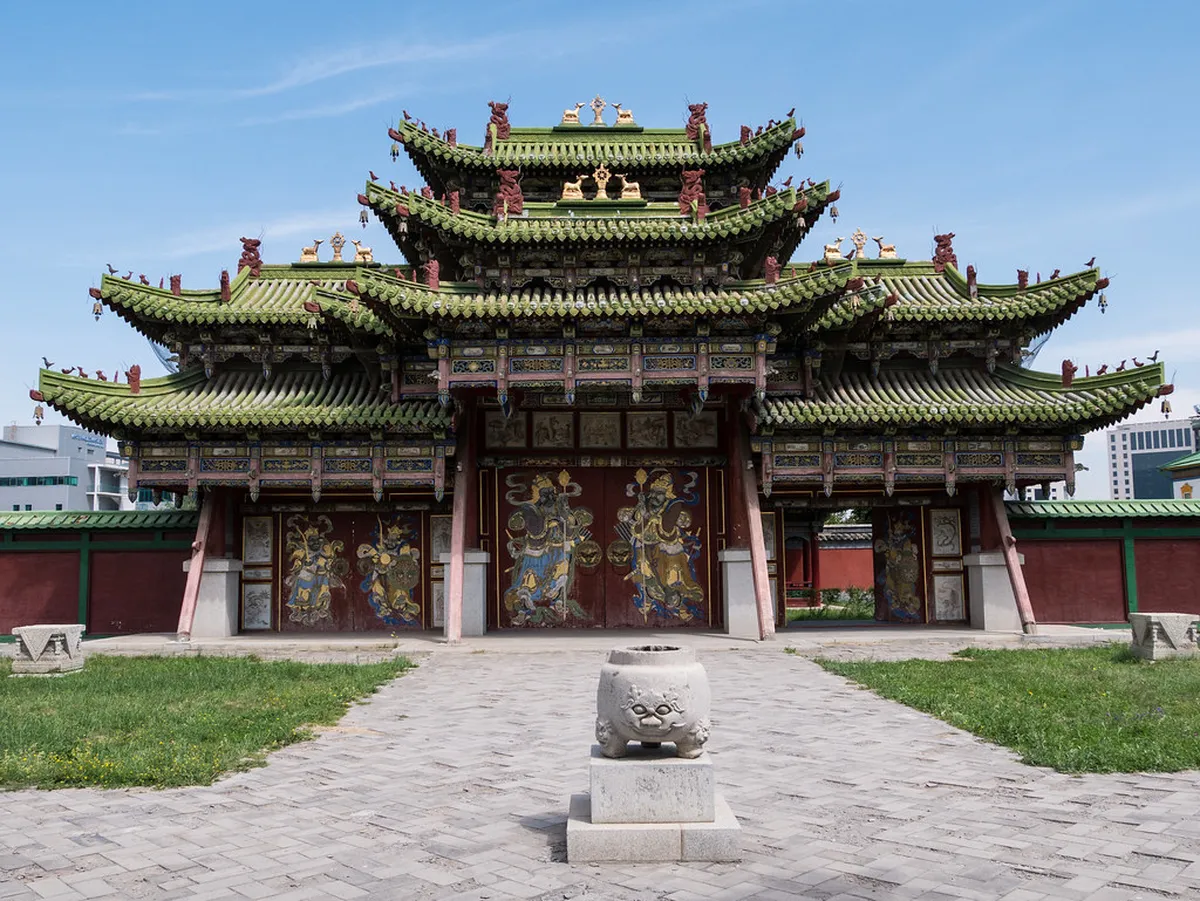
This former winter residence of the last Bogd Khan displays royal treasures, ceremonial regalia, and collections from around the world.
Walk through the winter palace courtyards to see traditional craftsmanship.
The site maintains consistent daily operations throughout the week to facilitate visitor access.
Admission to this site is structured to remain accessible to all visitors. Costs are limited to optional contributions and specific service fees rather than mandatory entrance tickets.
Verdict: A typical adult pays 0 MNT for entry, though visitors may choose to provide a small donation or pay a separate fee for photography services.
The site is located at BGD - 16 khoroo, Ulaanbaatar 16040, Mongolia. Reaching the area is most efficiently managed via taxi or private transfer within the city center.
Direct to BGD - 16 khoroo from city center
Public routes to BGD-16 stop
From Gandantegchinlen Monastery area
The best arrival window is 09:00–10:30, as this early morning period allows witnessing monks' daily chanting rituals in a peaceful atmosphere.
Everything you need to know about is mongolia worth visiting
Travelers seeking deep cultural insights often wonder if Mongolia worth visiting for its rich religious heritage. Exploring ancient monastic traditions provides a unique perspective on the nomadic history of the region. Many find that engaging with local history helps them decide if Mongolia worth visiting for their personal interests.
Visiting Ulaanbaatar allows travelers to explore diverse city attractions and central squares. Taking a guided Ulaanbaatar temple tour can provide essential context regarding Buddhist practices. Most visitors agree that experiencing these historic sites confirms why is Mongolia worth visiting.
The best arrival window for visiting local heritage sites is 09:00–10:30 to witness daily chanting rituals. Arriving during this period ensures a peaceful atmosphere away from larger tour groups. This timing is recommended for anyone evaluating if Mongolia worth visiting during their summer holiday.
Families often find the open landscapes and cultural festivals engaging for children. While travel requires preparation, the educational opportunities in the capital make it a rewarding destination. Many parents conclude that the unique exposure to traditional life makes the journey highly valuable.
The entrance fee for many primary monastic sites is 0 MNT, though voluntary donations are often welcome. Separate fees may apply if you choose to take photographs inside. Knowing these logistical details helps clarify if Mongolia worth visiting from a budget perspective.
For those seeking authentic cultural immersion, the combination of urban development and traditional lifestyle is compelling. You can observe the daily routines of monks and engage with local artisans in the capital. This depth of experience is why many travelers find the country meaningful.
Planning your itinerary to include both urban sites and surrounding nature is essential. Visitors should prepare for variable weather and local customs prior to departure. A well-organized plan ensures that you make the most of your time in the country.
Even with limited time, focusing on central urban landmarks provides a condensed look at the local spirit. You can easily access major sites in the capital without needing to travel deep into the countryside. This accessibility makes it possible to enjoy the culture even on a short trip.
Central Mongolia Tour Reviews
Read more Tickets & toursGobi and Central Mongolia Tour
Read more GuideMongolia Trip Cost
Read more GuideCentral Mongolia Tour Guest House
Read more Tickets & toursCentral Mongolia 3-Day Comfortable Tour
Read more Tickets & tours3-Day Central Mongolia Tour
Read more Tickets & tours5-Day Central Mongolia Tour
Read more GuideCentral Mongolia Tour Itinerary
Read more